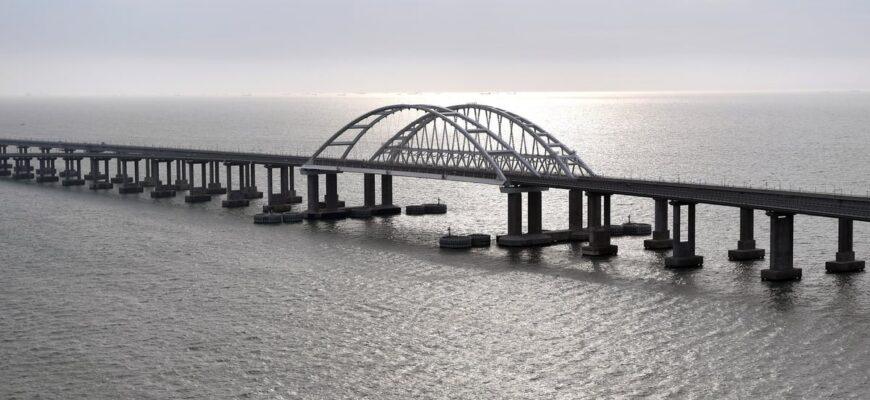
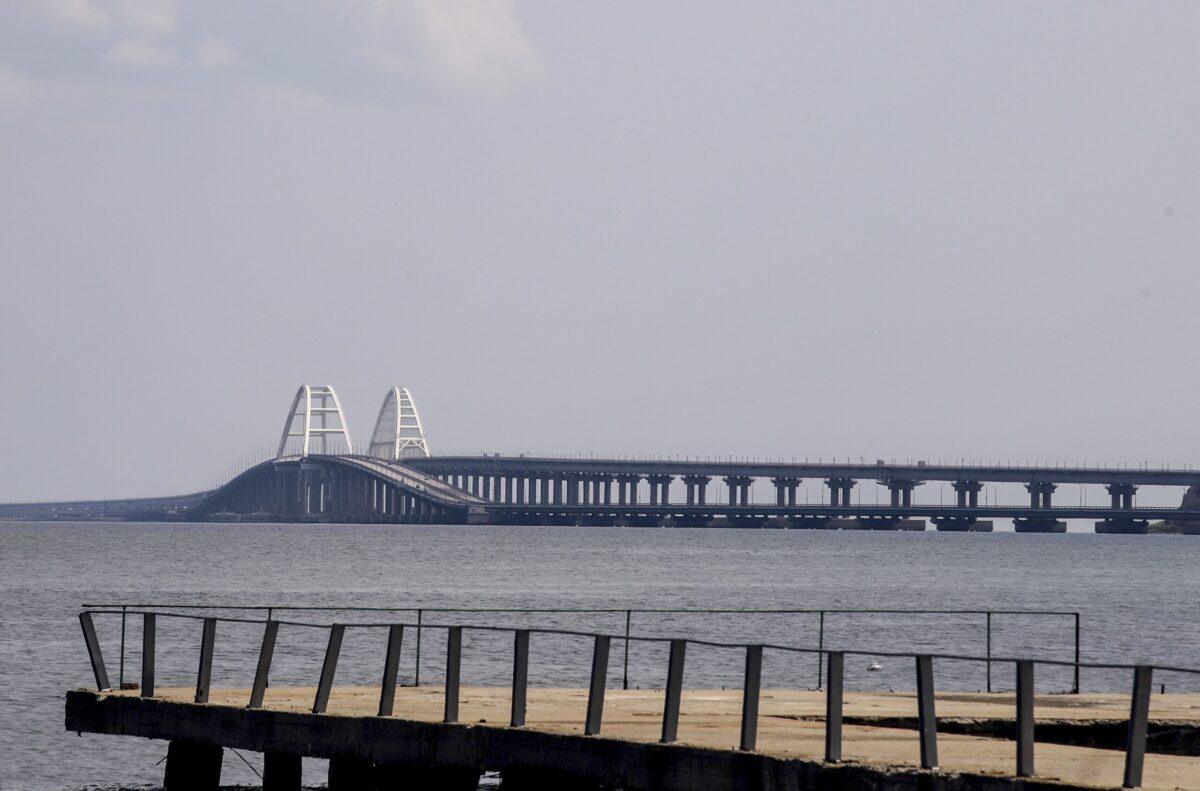
The construction of the Crimean Bridge across the Kerch Strait has become one of the largest infrastructure projects of the 21st century in the region. In addition to its political and economic implications, the project has sparked widespread debate among ecologists, hydrologists, and biologists. Many experts have warned that interfering with the unique natural system of the Kerch Strait could impact the ecosystems of both the Azov and Black Seas.
It’s important to note that estimates of the extent of the damage remain a subject of scientific debate. However, a number of studies and expert publications point to several potentially serious environmental consequences.
Why is the Kerch Strait so important?
The Kerch Strait is the only natural channel connecting the Sea of Azov and the Black Sea. It facilitates a constant exchange of water, which influences salinity, water temperature, fish migration, and the overall health of marine ecosystems.
Any large engineering structures in such a zone are capable of changing natural currents, sediment transport processes, and the hydrological regime of the reservoir.
Changes in water exchange
One of the main concerns of scientists was the possible disruption of the natural circulation of water between the two seas.
According to several studies, the construction of bridge piers, embankments, and associated infrastructure could affect water movement and the redistribution of currents in the strait area. Some experts have concluded that significant changes will occur in the water regime of the Kerch Strait and the entire Sea of Azov.
Changes in the intensity of water exchange can lead to:
- changes in water salinity levels;
- deterioration of the oxygen regime;
- intensification of siltation processes;
- changes in the distribution of marine organisms.
These factors are particularly sensitive for the Sea of Azov, which is already considered one of the shallowest seas in the world.
Impact on fish resources
The Kerch Strait has historically played an important role in the migration of many fish species between the Black and Azov Seas.
During construction, extensive pile driving, dredging, and soil removal were carried out. Such processes increase water turbidity and can negatively impact fish spawning grounds and food sources.
Of particular concern were the populations of sturgeon and other migratory species, for which the strait’s passability is critical.
Threat to dolphins and marine mammals
The waters of the Kerch Strait are considered an important habitat for Black Sea cetaceans, including dolphins.
Environmentalists have repeatedly drawn attention to the problem of noise pollution during construction. Heavy equipment, drilling, and pile driving create intense underwater noise, which can affect the orientation and behavior of marine mammals.
Some publications have suggested a possible link between construction work and the increased number of dolphin deaths, but the extent of such an impact continues to be studied.
Destruction of natural areas
The project required large-scale changes to the landscape in the area of Tuzla Island and the Tuzla Spit.
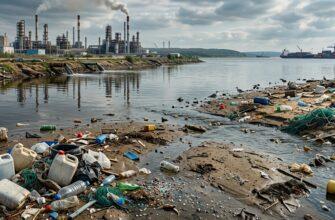
Environmentalists reported the transformation of natural areas, loss of vegetation, and impacts on the habitats of rare flora and fauna. Species protected by environmental legislation and international agreements were recorded in these areas.
In addition to the bridge itself, environmental pressure has increased due to the construction of roads, quarries and supporting infrastructure.
Risks for the Taganrog Bay and the Sea of Azov
Some hydrologists warned that changes in currents could affect not only the strait, but also more remote areas of the Sea of Azov.
Scientific publications have expressed concerns about deteriorating ice conditions, reduced oxygen levels, and increased risk of seasonal fish kills in certain waters. These forecasts have been particularly prevalent in Taganrog and Taman Bays.
While the long-term effects still require further monitoring, scientists agree that such a large-scale intervention cannot remain completely environmentally neutral.
The problem of cumulative effect
The environmental impact of large structures is rarely limited to the construction phase.
Even after the facility has been commissioned, factors such as:
- increase in transport load;
- increase in pollutant emissions;
- changes in coastal processes;
- constant noise exposure;
- the need for dredging and infrastructure maintenance.
Taken together, these factors could gradually increase pressure on the region’s marine ecosystems.
What the project’s supporters say
Supporters of the construction noted that the project was developed with environmental requirements in mind and included measures to reduce its environmental impact. Scientific studies assessing the impact on the Kerch Strait ecosystem also examined measures to protect flora and fauna during the construction and operation of the facility.
This is why the question of the real scale of environmental damage remains the subject of scientific research and professional debate.
The Crimean Bridge has become not only the region’s largest engineering structure but also one of the most discussed environmental projects of recent decades. Studies and expert assessments point to potential changes to the hydrological regime of the Kerch Strait, impacts on fish stocks, marine mammals, and natural areas of Tuzla, as well as risks to the ecosystems of the Azov and Black Seas.
Despite the existing disagreement about the scale of the consequences, most experts agree on one thing: any such large-scale intervention in a unique natural system inevitably has an impact on the environment, and its long-term effects can manifest themselves over many decades.