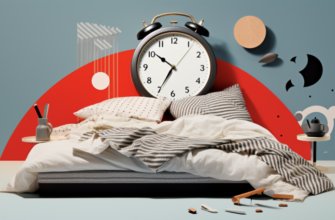

We’ve all done it: “just five more minutes” of scrolling through social media feeds in the dark turns into an hour of aimless scrolling. In the morning, we wake up exhausted, drink a liter of coffee, and in the evening, the same thing happens all over again.
Sound familiar? Modern science is increasingly pointing out that the main culprit behind our chronic fatigue isn’t so much the number of hours we spend in bed as the quality of our sleep—which is being disrupted by our smartphones, tablets, and laptops.
Let's take a closer look at the evidence: exactly how blue light and screen time affect the stages of deep sleep, and what we can do about it.
The Anatomy of the Problem: What Is Blue Light?
Light consists of waves of varying wavelengths and energies. Blue light (short-wavelength, high-energy light ranging from 380 to 500 nanometers) is a natural part of the solar spectrum. During the day, it is beneficial: it energizes, improves concentration, and regulates the circadian rhythm (our body’s internal clock).
The problem arises in the evening. The screens of our devices emit a powerful stream of blue light, which the brain interprets as a signal: “Attention! It’s still noon! The sun is at its zenith!”
What Science Says: Effects on Hormones and Sleep Stages
1. Melatonin Blockade
The main regulator of our sleep is the hormone melatonin. Its levels begin to rise about 2 hours before we naturally fall asleep, preparing the body for rest.
- Research: Harvard Medical School conducted an experiment comparing reading on a tablet versus reading a paper book before bed. Among those who used a tablet:
- Melatonin levels decreased by 50%.
- The peak in melatonin production shifted 90 minutes later.
- They took longer to fall asleep.
2. Impact on Deep Sleep (Slow-Wave Sleep)
Human sleep is cyclical and is divided into rapid eye movement (REM) and non-rapid eye movement (NREM) phases. NREM sleep is divided into stages, the deepest of which is deep sleep. It is during this phase that the body physically recovers:
- tissues and muscles regenerate;
- the immune system is strengthened;
- The brain is cleansed of toxins (through the glymphatic system).
- The Impact of Screen Time: Studies using brainwave monitoring (polysomnography) show that using electronic devices before bed not only delays falling asleep but also reduces the overall duration and quality of deep sleep. The brain remains in a state of light sleep for longer because the circadian system is disrupted.
3. Emotional Stimulation (FOMO and Dopamine)
Even if you turn the screen brightness all the way down, the content itself affects your brain. Work emails, news, social media, or fast-paced games trigger a surge of cortisol (the stress hormone) and dopamine. The brain switches to “fight-or-flight” mode or active learning mode. How can you possibly relax deeply when your subconscious is waiting for a reply to your latest message?
What are the consequences of a lack of deep sleep?
A chronic lack of deep sleep caused by spending too much time staring at screens in the evening leads to a cumulative effect:
- Cognitive decline: memory, concentration, and learning ability are affected.
- Metabolic imbalances: increased risk of weight gain (disruption of the balance between leptin and ghrelin, the hormones responsible for appetite).
- Emotional instability: irritability, anxiety, and a tendency toward depression.
How can you protect your sleep without giving up technology?
Completely eliminating gadgets from our lives in the 21st century is an unrealistic goal. But anyone can minimize the harm they cause. Here are some science-based recommendations:
- The 60-90 Minute Rule. Put away all screens an hour and a half before bedtime. Replace scrolling through your feed with a paper book, an audio podcast, some light stretching, or meditation.
- Use night mode. Turn on blue light filters on your devices (Night Shift on iOS, Night Light on Windows/Android) when the sun goes down. This won't solve the problem completely (since screen brightness still stimulates the brain), but it will reduce the strain.
- Optimize the lighting in your bedroom. Replace cool white bulbs with warm light (color temperature below 2700 K) in the evening.
- No gadgets in bed. Your bed should be associated only with sleep and intimacy. If you can't fall asleep within 20 minutes, it's better to get up and read by dim light than to pick up your phone.
The conclusion is simple: your smartphone is a great tool, but a poor companion at night. Give yourself at least one hour away from screens before bed, and your body will thank you within just a few days with increased vitality, energy, and a clear head in the mornings.