
Peace and Science
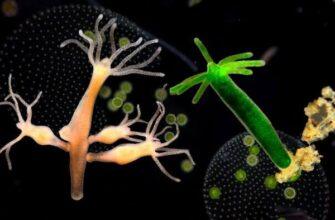
Death and old age seem to us to be absolute laws of nature. “Everything in its time,” we say, observing the decay of nature and the human body. However, in the biological world, there are daring exceptions—creatures that seem to have cracked
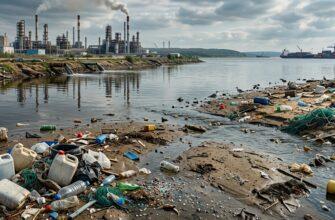
Imagine a spaceship flying in endless darkness. It has a strictly defined supply of water, oxygen, fuel, and hull strength. If the crew expends resources uncontrollably and ignores instrument signals, disaster is inevitable. Our home, Earth, is structured in exactly the same way.
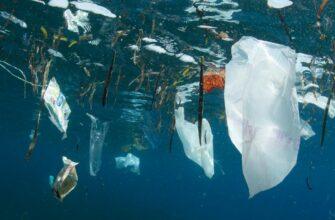
When we think of plastic pollution, we often imagine mountains of trash in landfills, plastic bottles floating in the ocean, or sad images of marine life. But the reality is much closer and more subtle than it seems. Plastic isn’
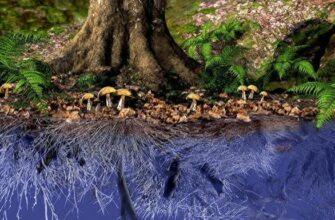
Imagine a world where giant forest giants don’t just stand side by side in silent solitude, but engage in lively conversation. They share news of impending danger, send nutrients to one another, and even care for their offspring. Sounds like the plot of a sci-fi movie?

Just a couple of decades ago, the history of human migration seemed like a relatively simple story. We had bones, skulls, stone tools, and archaeological cultures. Scientists debated the arrows on maps, trying to figure out who came where and when.
Do you remember those famous scenes from science fiction movies where spaceships gracefully maneuver through asteroid belts? Unfortunately, reality is far more mundane. Today, our spacecraft aren’t weaving their way through space rocks, but through debris of their own making.