

Imagine a classic scene from a movie: she’s crying, demanding attention, calling for the tenth time that evening, and wants to “talk about us.” He stares silently at his phone, steps back toward the door, clenches his jaw, and snaps: “Here you go again.

Every time you type a query into your usual search engine, some invisible magic happens. But there’s a downside to this convenience: search engines collect literally everything about us. Search history, geolocation, clicks, time spent on a page, device

Have you ever Googled yourself? If not, try doing it right now. You might be surprised to find websites that know exactly how old you are, where you live, your phone number, the names of your relatives, and even the value of your property. How do they know all this?

Do you remember that moment when you first opened ChatGPT or another neural network? You eagerly typed in a prompt like “Write a post about marketing,” only to get a response so watered-down and cliché that it felt like it was written by a robot from a B-movie.

The word “fanfic” brings a condescending smile to many people’s faces: as if to say, it’s just some teenage frivolity about Harry Potter and Draco Malfoy, thrown together on the fly. But the term “literary hoax” sounds serious, academic, and carries the

Have you ever wondered why, while watching a certain movie, you suddenly start to feel uneasy, even though nothing scary has happened on screen yet? Or why one scene feels incredibly cozy, while another feels oppressive because of its sterility?

Do you remember the days when going to the movies or watching a film at home was a ritual? The lights would go out, we’d put our phones away (or, at best, switch them to silent mode), and we’d immerse ourselves completely in the story on the screen.

The idea of buying a one-way ticket, packing a backpack, and setting off to explore the world in proud solitude is both alluring and daunting. On the one hand, there’s absolute freedom; on the other, a swarm of anxious questions: “What if I get bored?

A laptop against a backdrop of palm trees, a cup of aromatic coffee on the terrace of a Balinese café, a video conference from the beach—that’s the classic image of a “digital nomad” on Instagram. Sounds like a dream, doesn’t it?

Imagine a vacation. What would you choose? A sunny beach with palm trees, the quaint streets of historic Europe, or… an abandoned amusement park in Pripyat, a death row cell at Alcatraz, and the ruins of Pompeii? If you're leaning toward the second

Imagine a world where giant forest giants don’t just stand side by side in silent solitude, but engage in lively conversation. They share news of impending danger, send nutrients to one another, and even care for their offspring. Sounds like the plot of a sci-fi movie?

Just a couple of decades ago, the history of human migration seemed like a relatively simple story. We had bones, skulls, stone tools, and archaeological cultures. Scientists debated the arrows on maps, trying to figure out who came where and when.
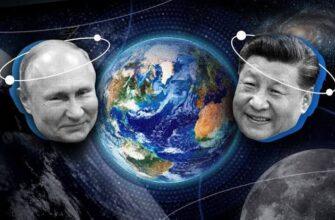
Do you remember those famous scenes from science fiction movies where spaceships gracefully maneuver through asteroid belts? Unfortunately, reality is far more mundane. Today, our spacecraft aren’t weaving their way through space rocks, but through debris of their own making.

You’ve probably found yourself in this situation: guests are at the door, the coals in the grill are already burning out, and the meat is still in the freezer. A traditional marinade with onions and vinegar requires at least 3–4 hours—or, better yet, overnight.