
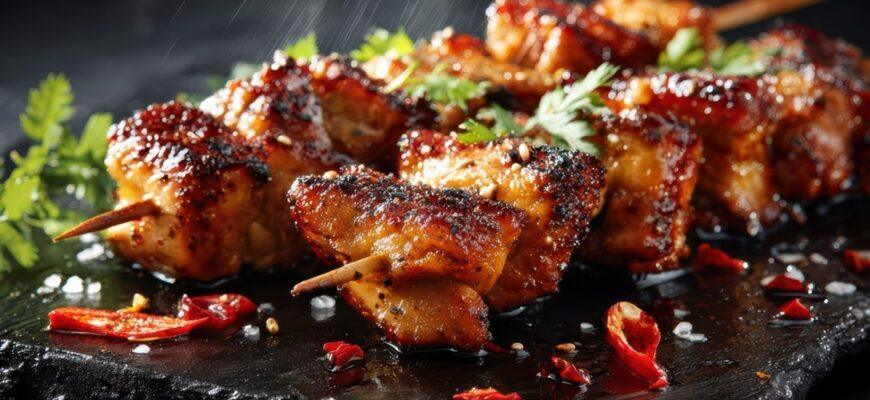
You’ve probably found yourself in this situation: guests are at the door, the coals in the grill are already burning out, and the meat is still in the freezer. A traditional marinade with onions and vinegar requires at least 3–4 hours—or, better yet, overnight. Using kiwi, pineapple, or papaya to tenderize meat is no secret among professional chefs, but at home, this method is often underestimated for fear of turning a steak into mush.
Let's take a look at how fruit enzymes work and how to make the perfect quick marinade that will make even tough beef melt in your mouth in just half an hour.
The Magic of Enzymes: How Does It Work?
Unlike acids (vinegar, lemon juice, wine), which simply “tannify” the meat fibers, making the meat firmer, fruit enzymes act like surgeons.
Some fruits contain powerful proteolytic enzymes (proteases) that specifically break down tough muscle proteins (collagen and elastin).
The Main Characters of the Fruit World:
- Actinidin (found in kiwis) is the most powerful and versatile enzyme.
- Bromelain (found in fresh pineapple) is very potent.
- Papain (found in papaya and, to a lesser extent, in raw pumpkin and mango).
The fermentation process happens right before your eyes. But here’s the key rule: it’s easy to overdo it with fruit enzymes. If you leave the meat in pineapple juice for a couple of hours, you’ll end up with pâté instead of shashlik.
Top 3 Recipes for Quick Fermented Marinades
These marinades take 20 to 40 minutes to work. Don't leave the meat in for more than an hour!
1. Green Kiwi Marinade for Beef and Lamb
Kiwi is the undisputed champion when it comes to tenderizing speed. It's perfect for tough cuts of meat.
- Ingredients: 1 ripe kiwi (peeled and pureed in a blender), 2 tbsp. soy sauce, 1 clove of garlic, black pepper, 1 tbsp. vegetable oil.
- Time: 30 minutes.
- Result: The meat becomes incredibly tender, and the soy sauce gives it a beautiful caramelized crust when pan-fried.
2. Tropical Pineapple Marinade for Chicken and Pork
A sweet-and-sour marinade with a subtle Asian twist. Bromelain pairs perfectly with poultry.
- Ingredients: 3 tbsp fresh pineapple juice (or fresh pineapple puree—important: not canned, since heat treatment destroys the enzymes), 1 tablespoon grated ginger, 1 tablespoon honey, 2 tablespoons olive oil.
- Time: 20–30 minutes.
- Result: Chicken breasts or pork chops will stay juicy on the inside even over the highest heat.
3. Fig Marinade for Game and Pork
Fresh figs contain the enzyme ficin, which is slightly milder than actinidin and imparts a delicate fruity aroma.
- Ingredients: 2 ripe figs (mashed with a fork), a sprig of rosemary, 2 tablespoons of balsamic vinegar, olive oil, salt.
- Time: 40 minutes.
- Result: A deep, complex flavor with a hint of sweetness and a tangy acidity.
Safety Rules: The 5 Golden Rules of Enzyme-Based Pickling
- No canned fruit! Use only fresh fruit. In canned pineapple or papaya, the enzymes are destroyed during pasteurization and are no more effective than plain water with sugar.
- Keep an eye on the clock. Set a timer. For pork and poultry, 20–30 minutes is enough. For beef, 40–50 minutes at most.
- Remove the fruit pulp before cooking. If you’re marinating the meat in kiwi or pineapple puree, carefully wipe off any remaining fruit with a paper towel before placing the meat on the grill or in the pan. Otherwise, the fruit pulp will simply burn and make the dish taste bitter.
- Be careful with the salt. Enzymes help flavors penetrate more quickly, so either salt the meat at the very end of the marinating process or use soy sauce.
- Do not refreeze. Meat treated with active enzymes is not suitable for long-term storage. Cook it and eat it right away.
Verdict
Fruit enzymes are pure biochemistry at the cook’s service. They save you hours of time and can rescue even the most texture-challenged cuts of meat. Try making this quick kiwi kebab this weekend, and you’ll never go back to store-bought marinades full of chemicals.