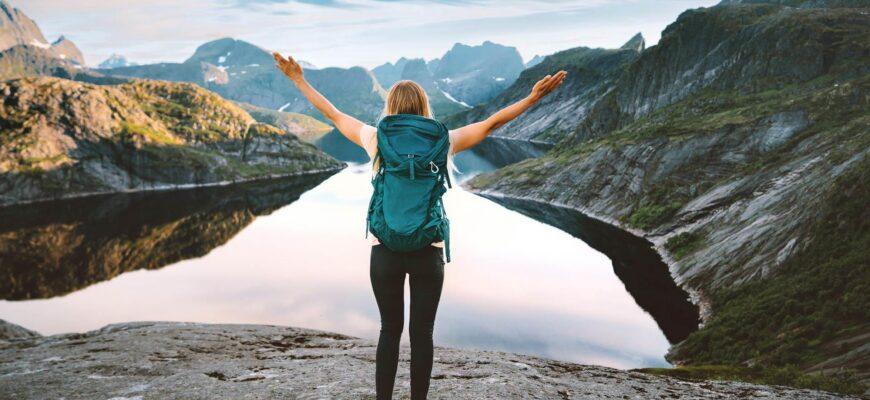
The idea of buying a one-way ticket, packing a backpack, and setting off to explore the world in proud solitude is both alluring and daunting. On the one hand, there’s absolute freedom; on the other, a swarm of anxious questions: “What if I get bored?”, “What if I get lost?”, “Is this safe for me?”
Solo travel is a powerful tool for personal growth. But to ensure your trip is enjoyable rather than a nervous breakdown, you need to prepare for it properly. Let’s take a look at the key psychological aspects and safety guidelines.
PART 1. Psychological Preparation: Taming Your Inner Panic-Monger
It’s perfectly normal to feel nervous about your first solo trip. Our brains are wired to cling to what’s familiar and perceive the unknown as a threat. Here’s how to deal with it:
1. Lower your expectations (the “Hollywood movie” effect)
Many people expect a solo trip to be a nonstop kaleidoscope of revelations, just like in the movie *Eat, Pray, Love*. In reality, there will be boring evenings in your hotel room, tired feet, and rainy weather. Don’t treat the trip as a life-changing event, but rather as an ordinary journey—just in the company of yourself.
2. Work through your fear of loneliness
Distinguish between the concepts of “being alone” and “being lonely.” Solo travel isn’t about isolation; it’s about having the freedom to choose who to spend time with and when.
- Life Hack: Book a hostel with good reviews or a guesthouse for your first 2–3 nights. Even if you’re an introvert, that’s the easiest place to meet other travelers over breakfast.
3. Start small
Don't rush to buy a one-month ticket to Papua New Guinea right away.
- Step 1: Take a weekend trip to a nearby city.
- Step 2: Go out alone to a restaurant or the movies in your city (yes, for many people, this is a challenge!).
- Step 3: Take a 4–5-day trip to another country. These mini-trips will show your brain that you’re capable of taking care of yourself.
4. Plan B Eases Anxiety
Uncertainty is the main source of stress. Write down contingency plans for unforeseen circumstances: What will I do if I lose my wallet? (I’ll block my cards and call the bank). What should I do if I get sick? (I’ll find the insurance company listed on my policy.) When you have a clear plan, panic subsides.
PART 2. Safety: Common Sense Instead of Paranoia
Safety when traveling alone isn't about living in fear, but rather about developing a set of helpful habits.
1. Digital Hygiene
- Copies of documents: Scan your passport, visa, insurance policy, and tickets. Save them to the cloud (Google Drive, Yandex.Disk) and email them to your loved ones.
- Communication: Buy a local SIM card or activate an eSIM as soon as you arrive. You'll need to be connected to call a taxi or check a map.
- Share your location: Give your loved ones the hotel's contact information and a rough itinerary. Agree to check in once a day (for example, "I'll text in the morning—everything's fine").
2. Financial Security
- Keep your money in different places: some on your card, some in cash in your backpack, and your emergency fund in a secret pocket in your clothes.
- Don't carry all your cash and all your cards with you at the same time.
3. Rules of Conduct in an Unfamiliar Place
- Arrival: Try to plan your arrival in a new city or unfamiliar neighborhood for the daytime. Searching for a hostel in the dark while carrying a suitcase is unnecessary stress and a risk.
- Intuition: If a place or a person triggers an inner resistance in you—walk away. Don’t be afraid of coming across as “rude” or “weird.” Your safety is more important than what others think.
- Alcohol: Be extremely careful when drinking with people you don't know. Staying in control of the situation is your best defense.
- A tip for those around you: If someone asks who you're traveling with, always reply, "My husband/wife/friend is waiting for me at the hotel," or "I'm meeting up with some local friends here." Even if you're completely alone.
PART 3. Enjoying the Process
Once you've overcome your initial fears and established basic safety measures, that's when the real fun begins.
You’ll notice that when you’re alone, the world feels different: all your senses are heightened. You notice architectural details, the scent of spices at the market, and the smiles of passersby. You don’t have to adjust your pace to anyone else’s—want to spend three hours lost in an art gallery? Go right ahead. Want to sleep in until noon? No one will judge you.
Traveling alone is the best way to discover your true self. Have a great trip!