Walking into the wine section of a supermarket or specialty store, many of us feel like explorers of ancient civilizations. Italian, French, and Chilean bottles stare at us with complex terms, incomprehensible names, and beautiful castles. Our eyes wander, and our hand reaches for the bottle with the most beautiful label.
Stop! Let’s stop playing Russian roulette with dinner. Today we’ll learn how to read a wine label like a professional sommelier—quickly, confidently, and without unnecessary pomp.
The truth is, producers aren’t trying to scare us. Legislation in most countries (especially in the Old World) requires winemakers to include very specific information on their labels. You just need to know where to look.
So, let’s decipher the wine code.
Step 1. Old World vs. New: Who’s Who?
All wines in the world are divided into two large groups:
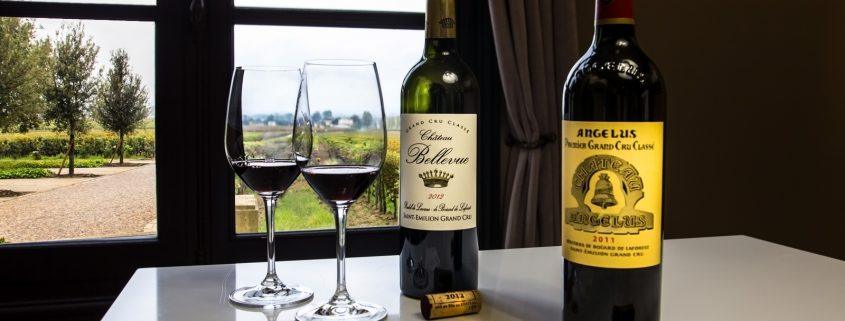
Old World (France, Italy, Spain, Germany, etc.) – here, location (terroir) is paramount . The label often lists the region (Bordeaux, Chianti, Rioja), but the grape variety may not be listed at all.
The New World (Chile, USA, Australia, Argentina, South Africa) – here , grape varieties reign supreme . The bottle will say Cabernet Sauvignon or Chardonnay in huge letters , with the region somewhere below in smaller print.
With the New World, it’s simple: if it says “Chardonnay,” then we’re drinking Chardonnay. But with the Old World, you’ll have to get to know it better.
Step 2. The magic of terroir: what does the place say?
Terroir is a favorite word among sommeliers, encompassing the combination of soil, climate, topography, and even the winemaker’s handiwork. Simply put, terroir is responsible for the character of a wine.
France and Italy have strict classifications of origin (AOC, DOCG, etc.). The more limited the geographical area indicated on the label, the higher the status of the wine:
- Table wine is simply wine without any indication of year or region (usually for every day use).
- Wine with a protected geographical indication (IGT / VdP) is a wine from a specific region (e.g. “Sicily”).
- Wines with a protected designation of origin (AOC/DOC/DOCG) are the elite. The grapes are harvested in a strictly defined commune or vineyard. Strict wine inspectors monitor quality here.
Cheat sheet: If you see Bordeaux, Burgundy, Barolo or Chablis on the label, be prepared for a classic taste backed by centuries of tradition.
Step 3. Name, sister! Grape varieties
If the bottle doesn’t list the variety, how can you tell what’s inside? It’s simple: just remember a few basic combinations of regions and varieties:
- Bordeaux (France): a blend of Cabernet Sauvignon and Merlot. These are dense, tannic, and “serious” red wines.
- Burgundy (France): Pinot Noir for reds (light, elegant, with notes of berry and earth) and Chardonnay for whites.
- Tuscany (Italy): Sangiovese. Vibrant wines with high acidity and cherry flavors.
- Rioja (Spain): Tempranillo. Velvety wines with hints of vanilla and leather (thanks to the oak).
If you’re buying New World wine, look for familiar names:
- Whites: Sauvignon Blanc (fresh, grassy, citrusy), Chardonnay (round, creamy, often with vanilla notes), Riesling (aromatic, with a balance of sweetness and acidity).
- Reds: Cabernet Sauvignon (powerful, blackcurrant), Merlot (soft, plum), Malbec (rich, prune, chocolate), Shiraz/Syrah (spicy, peppery).
Step 4. Aging: Barrel, Bottle, and Time
The aging information will tell you how complex the wine will be and how much it cost (aging always makes the process more expensive).
Look for the following words on the label:
Spanish classification (the most illustrative):
- Joven is a young wine without oak aging. Fresh and fruity.
- Crianza – aged for at least one year (at least six months in barrels). Balance of fruit and oak.
- Reserva – from 3 years (minimum one year in barrel). A complex, noble wine.
- Gran Reserva – from 5 years for rare, outstanding harvests.
General terms:
- Vieilles Vignes (France) or Old Vines (New World) are wines from “old vines.” The roots go deep into the soil, the yield is smaller, but the flavor is deeper and more concentrated.
- Barrique means the wine was aged in small oak barrels. Expect aromas of vanilla, toast, smoke, and chocolate.
Step 5: The little things that matter
Vintage: The year the grapes were harvested. For simple wines from recent vintages (e.g., whites and rosés from 2022–2023), the “drink young” rule applies. Serious red wines can develop in the bottle for years.
Alcohol Content (ABV): Typically ranges from 11.5% to 15%. The higher the ABV, the denser the wine and the warmer the climate in which the grapes were grown.
Sulfites: The “Contains sulfites” label shouldn’t be alarming. Sulfur dioxide is used everywhere to preserve wine, preventing it from turning into vinegar. Its amount in wine is minimal.
Checklist for quick selection at the shelf:
- Decide on your mood: Looking for a fresh and light dinner? Look for a New World white (Sauvignon Blanc) or a light Italian wine. Planning a steak? A hearty Old World red or an Argentine Malbec.
- Look at the region (Old World) or variety (New World).
- Check the year and strength.
- Trust your intuition!
A wine label isn’t a puzzle, but a fascinating story. And now you know how to read it.