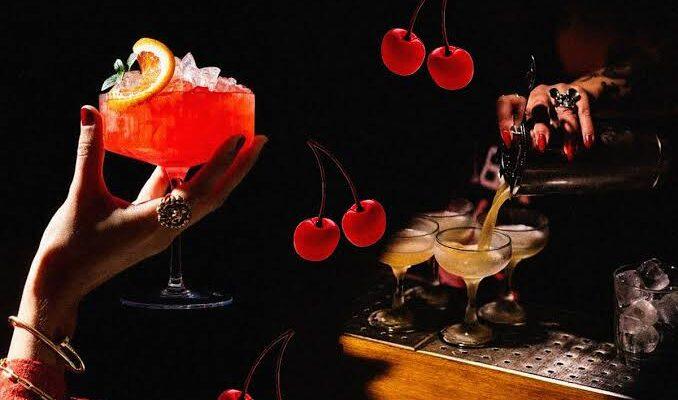
Just a few years ago, the selection of non-alcoholic drinks in bars and restaurants was limited to generic carton juice, sugary soda, or boring lemonade. Today, the situation has changed dramatically. The trend toward mindful consumption and health awareness has led to a boom in so-called mocktails (from the English ” mocktail” – a “toy” or “fake” cocktail, although this name no longer reflects their elevated status).
A modern mocktail is more than just juice and ice. It’s a gastronomic statement, a complex work of art with its own philosophy, history, and, most importantly, a multifaceted aromatic spectrum that’s in no way inferior to alcoholic classics.
How can you replicate (or surpass) mixologists’ creations at home and create a drink with deep, evolving flavors? Let’s explore the basic principles.
Why don’t simple combinations work?
The main problem with homemade non-alcoholic experiments is the flat taste. Mix apple juice with ginger ale, and you’ll get nothing but sweet soda. Alcohol in traditional cocktails not only acts as an intoxicant but also as a “conductor” of flavor and aroma, as well as a source of texture (body) and heat.
To make a mocktail sound complex, we need to artificially recreate these elements:
- Aroma (what we smell with our nose).
- Acidity and astringency (what makes the receptors work).
- Body and density (the feel of the drink in the mouth).
- Aftertaste (balance of sweetness and bitterness).
Step 1: Building a Fragrance Base (Cordials, Infusions, and Syrups)
Forget industrial syrups with chemical odors. Complex aromas come from natural ingredients.
- Homemade Cordials: These are clarified syrups based on juices, herbs, spices, and acid. For example, simmer green apple juice with tarragon, lime zest, and a pinch of sea salt. You’ll get a concentrated base that combines sweetness, freshness, and a herbal tartness.
- Infusions: Brew tea (smoked Lapsang Souchong , white tea, or aged Pu-erh are especially good) with herbs or spices. These impart that tannic, dried fruit, or woody profile typically associated with aged spirits.
- Fermentation: Kvass, kombucha, non-alcoholic cider, and beer add a complex acidity and fermented notes that give the mocktail a more grown-up character.
Step 2: Playing with texture and body
Alcohol is oily and flat. Juice is watery. To make a mocktail feel like a bar cocktail, you need to work on the texture:
- Aquafaba (chickpea broth): Whip it with citrus juice and simple syrup for a luxurious, thick foam, just like a classic sour .
- Aloe Vera and Gels: A few drops of aloe vera juice or a pinch of xanthan gum can dramatically change the density of a drink, making it velvety smooth.
- Matcha and Starches: Matcha green tea adds not only color and vegetal bitterness, but also a pleasant creaminess.
Step 3: Add Complexity (Bitterness, Umami, and Smoke)
In alcoholic drinks, bitterness is provided by vermouths, bitters, and tinctures. In mocktails, this role is played by:
- Non-alcoholic bitters: Angostura contains alcohol, but only a few drops are added (so it’s negligible). However, completely non-alcoholic bitters made from herbs and roots are now available on the market.
- Spices and roots: Ginger, galangal, galangal, pink pepper, cardamom and star anise awaken the taste buds and create a warming effect (“burn”) that replaces strong alcohol.
- Smoke and Earthy Notes: Using smoked salt, rosemary charred in the glass, or adding mushroom notes (such as porcini syrup) elevates the mocktail to a fine dining level.
Starter Recipe: Rosemary and Blackcurrant Forest Sour
Try making this complex, tart and aromatic mocktail at home.
Ingredients:
- Blackcurrant and rosemary cordials – 45 ml (currant juice boiled with sugar, a pinch of salt and sprigs of fresh rosemary).
- Lemon juice – 20 ml.
- Non-alcoholic dried fruit infusion (brewed strong hibiscus tea with the addition of dried apples) – 50 ml.
- Aquafaba (chickpea broth) – 20 ml for foam.
- Ice for whipping.
Preparation:
- Place all ingredients in a shaker.
- Make a dry shake (shake without ice until the aquafaba is fluffed up into a stiff foam).
- Add ice and blend vigorously for another 10-12 seconds.
- Strain through a sieve into a chilled coupe glass.
- Garnish with a sprig of rosemary, previously scorched with a torch (this will add a smoky note).
Creating complex mocktails is a fascinating alchemy. There are no strict rules, but there is a law of balance: sour balances sweet, bitterness structures the flavor, and aroma sets the mood.
Experiment with herbs from your windowsill, spices from your kitchen cabinet, and teas from around the world. After all, the best drink is one that surprises and tells a story from the first sip to the long, pleasant aftertaste.